

Learning Resources/Creating Mood Instantly with Two-Chord Structures
Creating Mood Instantly with Two-Chord Structures
Discover how just two chords can instantly transform the emotional landscape of your scene. Perfect for media composers of all levels, this course reveals how simple harmonic pairings can unlock an endless variety of cinematic moods—from intense suspense to heroic triumph.
Tim Maurice
Instructor
12 modules · 23 video lessons
BeginnerWhat you will learn
You don't need complex, overwhelming music theory to write highly evocative cues. This course breaks down the hidden power of "two-chord structures," guiding you step-by-step from a simple piano sketch to a full orchestral application. By exploring specific interval relationships—such as chords a half-step, whole-step, or a tritone apart—you will learn how to intentionally trigger precise cinematic emotions like sci-fi mystery, tension, or dark peril. Whether you are just starting out with basic chord knowledge or looking to expand your compositional toolkit, you will be surprised by how versatile and instantly effective these simple combinations can be.
- Minor Chords a Half-Step Apart: Suspense, High Tension
- Major Chords a Whole-Step Apart: Dreamy, Upward Motion
- Major Chords a Tritone Apart: Sci-Fi, Unfamiliarity, Outer Space
- Minor Chords a Tritone Apart: Dark, Perilous, Evil
- Major Triads 3rds Apart: Heroic, Triumphant
- Minor Triads 3rds Apart: Ominous, Disturbing
Course Content
3 Previews Available- About Behind the Score
- Book Excerpts
- Notes
Requirements
While musicians without any educational background may benefit from our courses, we recommend having at least a basic knowledge of music theory concepts such as intervals, chords, and scales to ensure a smooth learning experience.
General course information
- This course includes video lectures, audio examples, graphical analysis, and video playback of the scores. All course materials (music score pdfs, HD orchestral mock-up mp3's) can be downloaded upon purchase of the course.
- When possible, we include chord symbols in the scores to help summarize the harmony.
- For the sake of brevity and clarity, we use "condensed scores" for any large ensemble/orchestral writing.
- Some specific musical notations (such as breath markings for winds and brass, harp tuning, piano pedaling, etc.) are not strictly conveyed in the scores.
- In our course, we write all roman numerals uppercase and simply add the word "min" to indicate a minor harmony.
Instructor
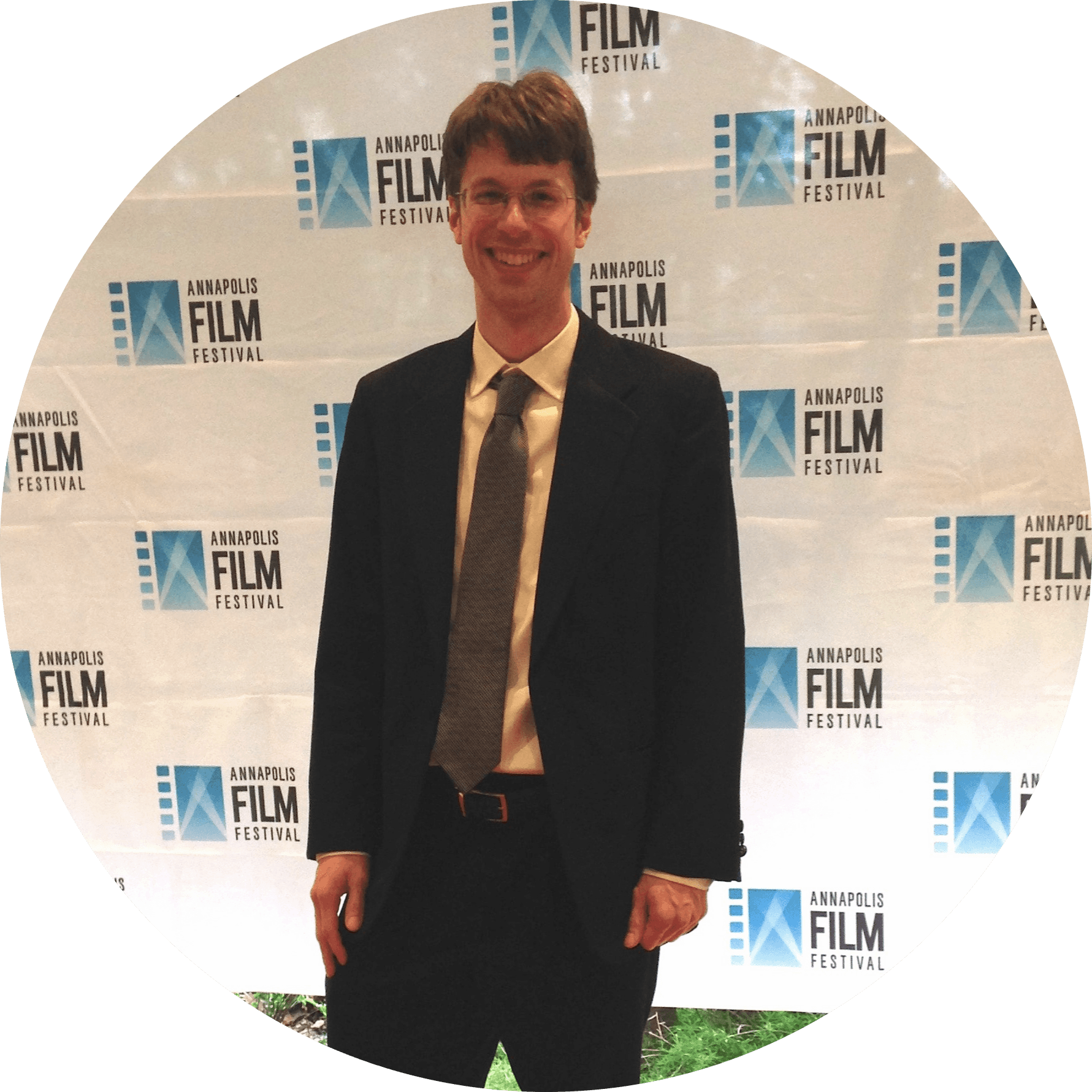
Tim Maurice
Composer, Arranger, and Pianist
Tim produced music for a variety of independent film & media projects across New England, including “Searchdog,” a feature-length documentary about shelter dogs that are rehabilitated into certified search & rescue dogs. (Audience-voted “Best of Fest Selection” in the 2016 Palm Springs International Film Festival).
In addition to composing, Tim also served as music director, arranger, and pianist for the cabaret show “Never Far From Home” at Central Square Theater, which earned critical acclaim from The Boston Globe. He has worked with the North Cambridge Family Opera for the past several years, as an arranger and midi mockup artist.
He orchestrated for their production of “Flying High,” an opera with music by multi-instrumentalist/composer Graham Preskett and lyrics by writer John Kane. Tim also had the great fortune of working with Grammy-nominated jazz pianist/composer Taylor Eigsti, assisting with orchestration and score preparation for symphonic pieces for the concert performed by the Oakland Symphony Orchestra.
Reviews
“I thoroughly enjoyed the short course, so much so that I will purchase the bundle! I find it very useful to have the audio with the text to really help understand the concepts. Something you cannot get with a book. But as with books, you also offered more than just a glancing explanation. Starting with a simple part and working your way up to the full composition is ideal. I also liked that this course was not for absolute beginners, but also not too advanced where you glance over the details that make it go from 'eh' to 'wow, this sounds great!' (...) Having the content of a book, along with audio and video, now that's what I've been searching for!”
BCBrett C.
Composer
“This is something I've been seeking for such a long long time. I have always wanted a simple, to-the-point tutorial that teaches music theory specifically designed for writing film music. This is exactly what I needed. With plenty of musical examples, these courses provide clear explanations of many key harmonic concepts. This is definitely one of my best musical investments so far. Thank you guys!”
EKEduardo K.
Media artist
“I absolutely love the simple and concise way the course material is presented, showcasing piano sketch first, then practical application, then explanation of applicable theory. It makes it easy to follow and most importantly replicate and extend to other applications.”
DKDennis Klampanis
Course taker
Other students also viewed
Show More
Practical Application of Genre & Styles
Intermediate & AdvancedBridge the gap between music theory and real-world media scoring. Designed for media composers of all levels, this practical course guides you through a diverse range of dramatic scenarios, teaching you how to adapt your musical toolkit to deliver high-impact cues for film, games, and modern media.
$62.99
Applying Modal Color to Your Music
Beginner & IntermediateOur seven-note scale system gives us seven different starting points (and therefore seven different modes) to explore, each one with its own color and mood. As composers, we can use this variety to explore new melodic and harmonic possibilities.
$59.99
Using Ostinatos to Construct a Piece
BeginnerWhen writing music for media, an ostinato can be a valuable tool for creating a focal point that builds on itself over time. We will examine ostinatos in the orchestral genre, where we can use them to create a sense of power and momentum.
Free